
Wedding planning · Gurugram
Wedding Planner in Sector 56, Gurugram
Plan a wedding in Sector 56 through one connected brief for venue, guests, décor, hospitality, production, suppliers and event-day execution. The planning approach is locality-aware without inventing a local branch, fixed package or one-size-fits-all venue assumption.
Golf Course Road corridor · serviceability confirmed through the Delhi NCR coverage model
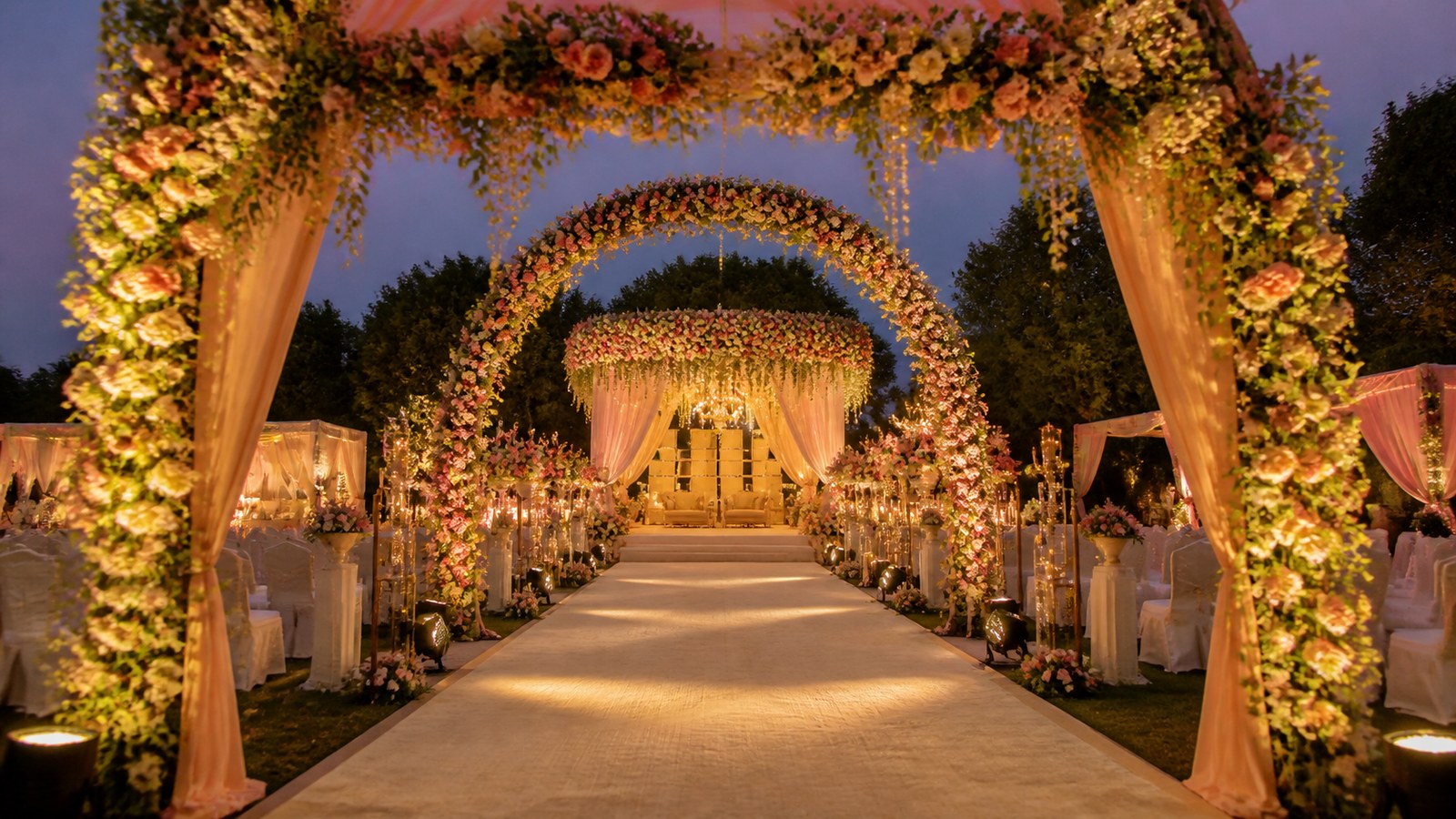
Local planning lens · Golf Course Road corridor
Define what is happening in this area before choosing the supplier stack for Gurugram
A locality page earns its place only if it helps the family plan differently. For Sector 56, the first task is to convert addresses into a working event map: function locations, hotel or home bases, expected arrival patterns, supplier access and the route between important wedding moments. The surrounding Golf Course Road corridor label provides broad context, while the actual venue remains the source of truth for site rules. This version of the page foregrounds RSVP accuracy, seating changes and final headcount because it can expose schedule or staffing gaps before the final run-of-show is built. The family should still share exact dates, venue status and guest information in the enquiry form so Kontact Us can confirm serviceability and scope. Nothing on this page should be read as evidence of a physical branch or guaranteed local availability.

Guest journey
Build hospitality into the timeline, not beside it
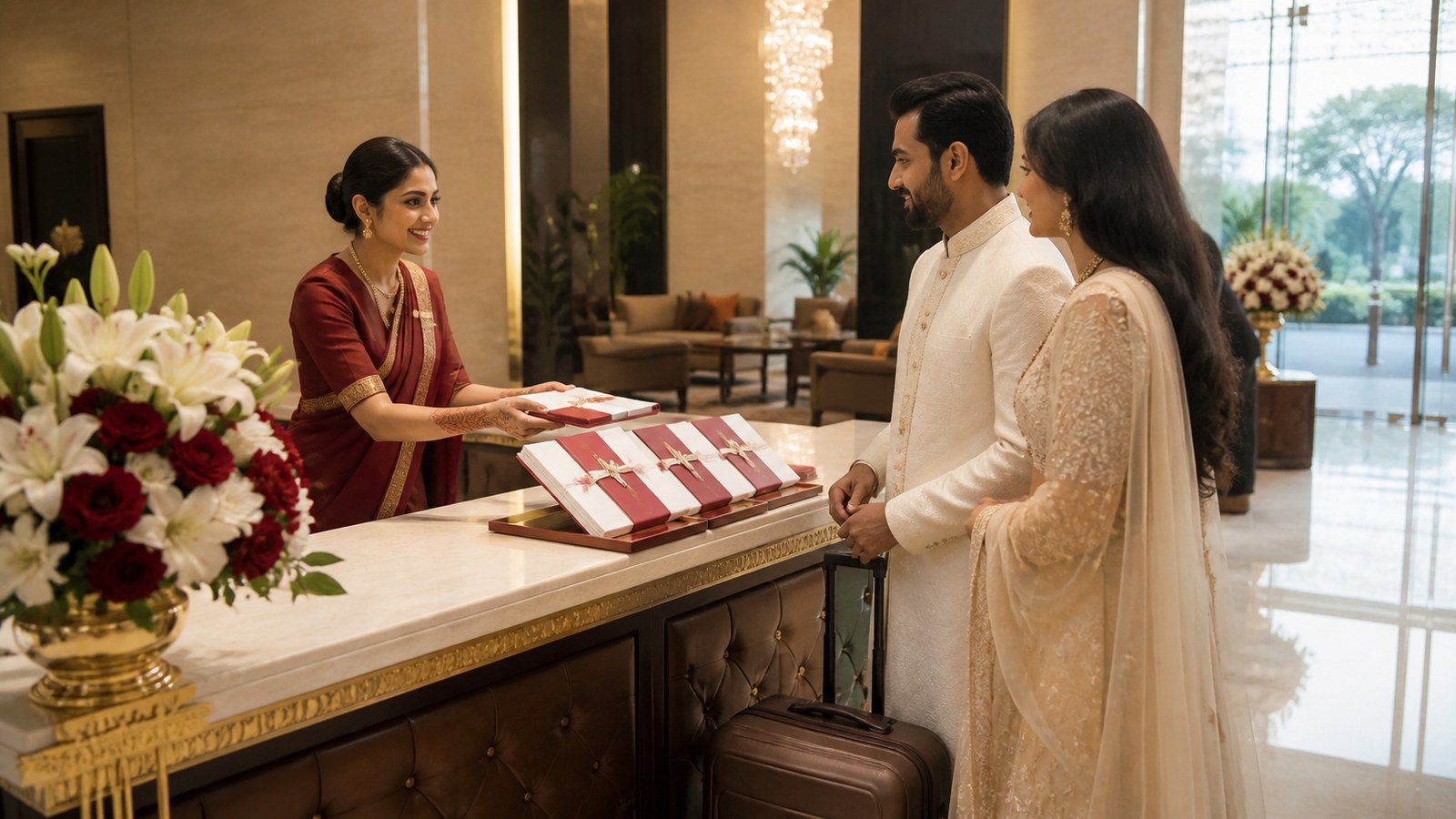
The best test of a Sector 56 wedding schedule is whether guests can follow it without repeatedly calling the family. Build communication around real decisions: venue address, reporting time, transport point, dress or ceremony notes where needed, meal timing and the contact channel for changes. Then review RSVP accuracy, seating changes and final headcount, because it can affect comfort or punctuality even when the creative plan looks complete. If some guests are based elsewhere in Gurugram, provide separate transport logic instead of one universal message. Rooming lists, shuttle manifests and RSVP counts should reconcile before the final week. The planner’s goal is not to create more messages; it is to reduce uncertainty at each transition so the couple and family can remain present at the celebration rather than operating a helpdesk themselves.
Creative direction
Move from mood board to spatial and technical reality
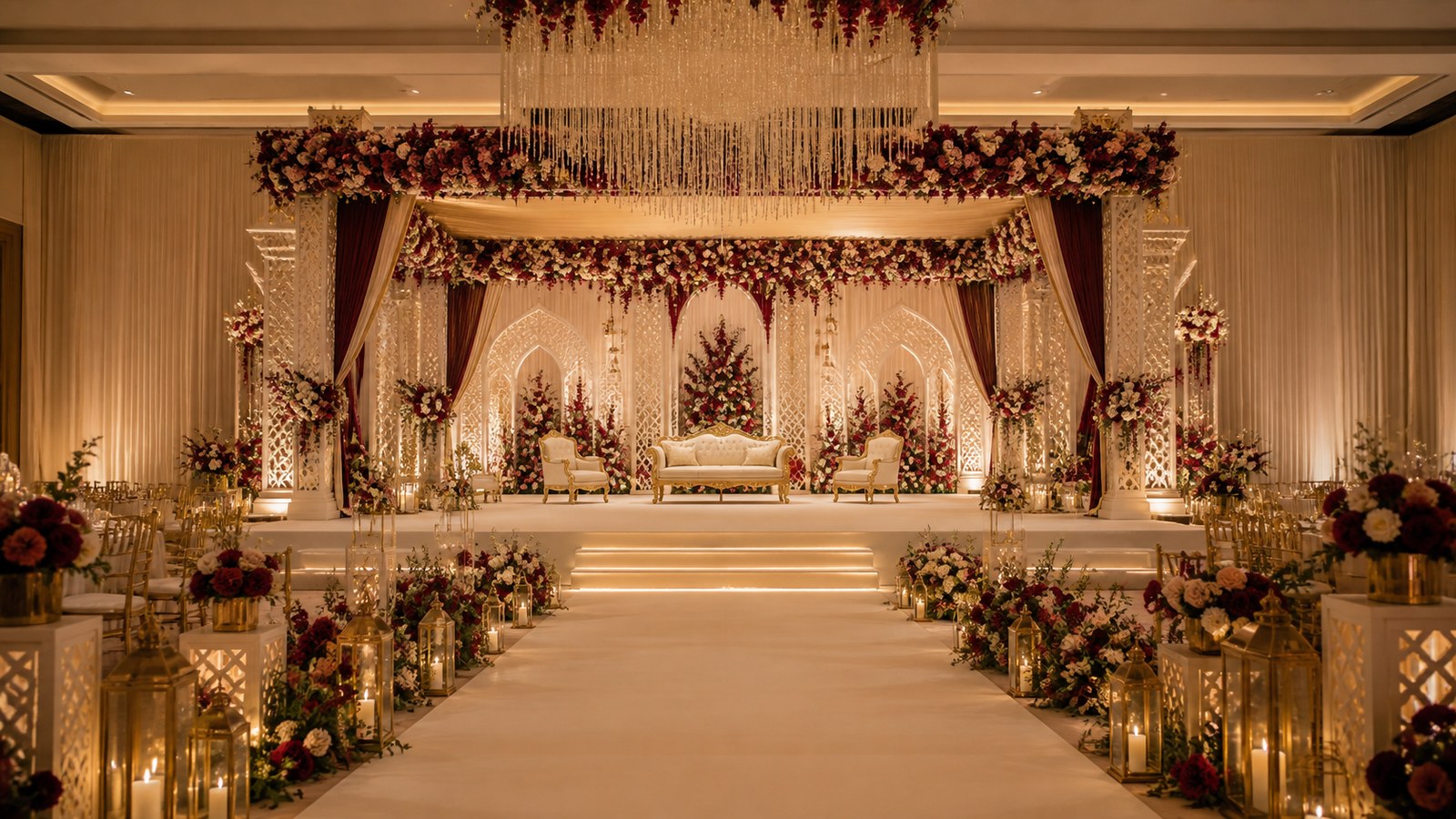
A strong Sector 56 wedding should look intentionally designed rather than decorated in unrelated layers. Start with hierarchy: which function is visually richest, which is intimate, where the couple’s story appears and which details can repeat as a recognizable identity. Then connect that hierarchy to practical questions, including RSVP accuracy, seating changes and final headcount. Mood boards should be followed by spatial sketches, stage or mandap dimensions where relevant, floral/material decisions, lighting coordination and installation notes. If the venue has restrictions, the creative team should adapt before fabrication begins. The same thinking applies to invitations, menus, welcome signage, photo areas and entertainment backdrops. Visual consistency is valuable because it helps guests read the celebration as one journey, but each function should still have enough contrast to feel like a new chapter.
Quotation logic
Track what can move cost before deposits lock the plan
For a Sector 56 enquiry, the budget discussion should make assumptions explicit: dates, venue, functions, guest numbers, suppliers already booked and the level of coordination expected. Then test RSVP accuracy, seating changes and final headcount as one possible complexity factor. The team can separate committed cost from forecast cost, compare vendor quotations on matched deliverables and label optional enhancements before they become emotional last-minute decisions. Venue-provided inclusions should not be paid for twice, while items that require specialist equipment, additional labour or extended setup time should not be hidden. A transparent planning model does not guarantee the lowest wedding cost; it helps the family understand what is driving cost and where a change would affect experience, risk or execution.
Multi-function planning
Convert inspiration into an operational brief for this wedding
The Sector 56 wedding brief should capture functions, guest count by function, venue status, family decision owners, budget priorities, accommodation needs and suppliers already booked. Add a specific checkpoint for RSVP accuracy, seating changes and final headcount; if it is not relevant after the venue is confirmed, mark it closed rather than letting it remain an assumption. Every vendor-facing scope should then be derived from this same brief. That matters because décor quantities, catering headcount, transport, artist call-times, photography coverage and technical production often use different versions of the wedding when families manage them in separate chats. A concise master brief reduces those conflicts. It also gives the planner a clean basis for quotation comparison: what is included, what the venue provides, what the family is handling, what remains optional and which decisions can still change price or timing.
Explore the Gurugram planning network
Move between locality and city planning without duplicating office claims
Use the locality network as a planning map. The current page covers Sector 56; nearby navigation points include Sector 55 and Sector 57, while the Gurugram hub brings all 30 requested premium or established areas together. A couple comparing several venues can use those pages to keep each address attached to the same planning questions: guest movement, supplier access, venue rules, production feasibility and quotation inputs. The network intentionally reuses shared service imagery rather than pretending to show real projects in every locality. If a future verified project, review or photograph supplied by the business is verified for a specific area, it can be added with provenance; until then, local trust must come from truthful serviceability and useful planning information rather than fabricated evidence.
Event-day operations
Plan the invisible transitions that make the wedding feel effortless
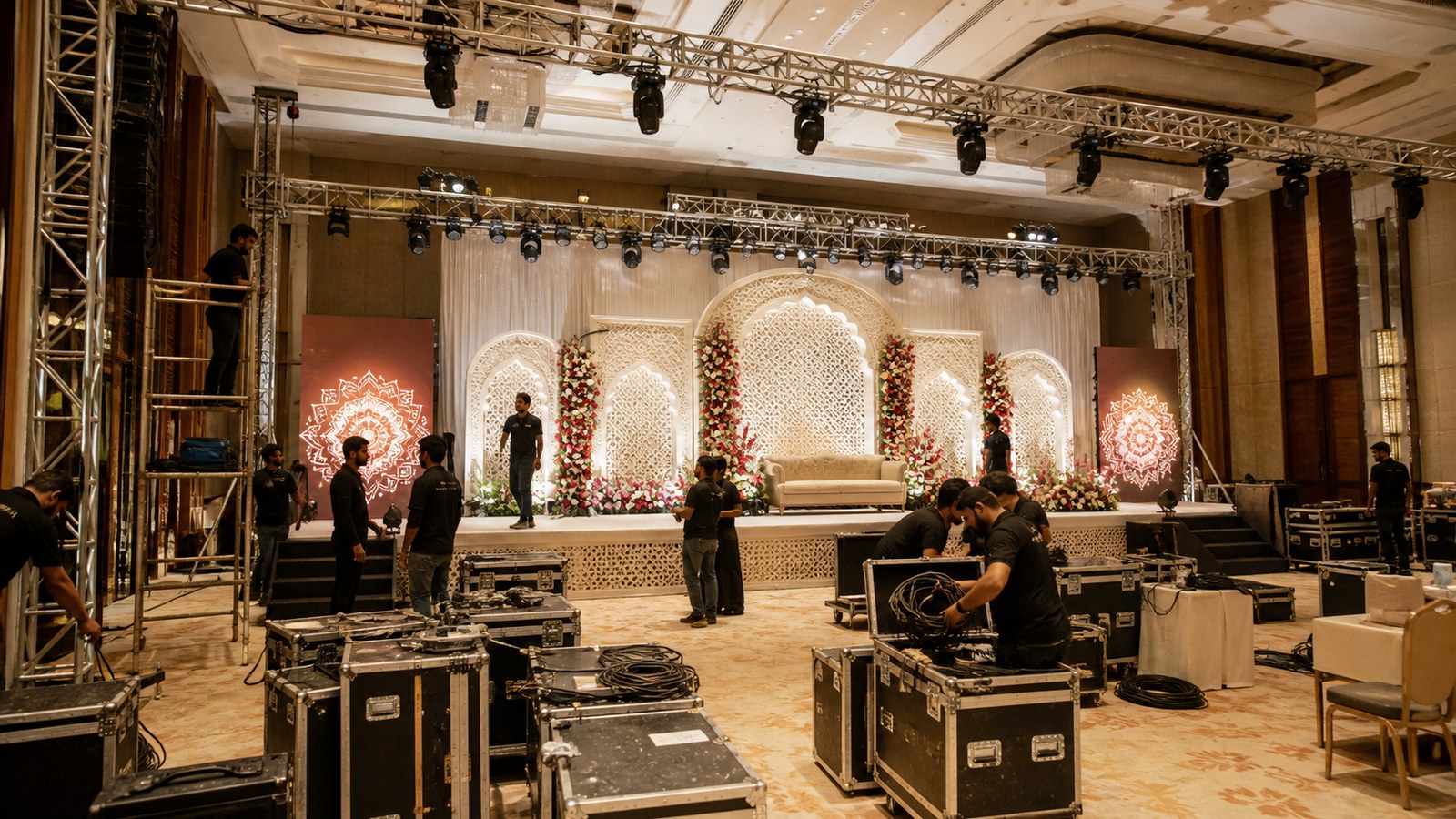
The run-of-show for Sector 56 should translate every approved decision into time, owner and dependency. Vendor access, décor handover, technical setup, artist soundcheck, family rehearsal, portrait windows, guest arrival, ceremony cues, food service and departure should not be maintained as separate timelines that only meet on event day. This page makes RSVP accuracy, seating changes and final headcount a dedicated operational checkpoint. If any movement extends toward Sector 55, Sector 57 or another part of Gurugram, the dispatch sheet should include realistic buffers and named contacts. The command team also needs authority rules: who can approve a delay, substitute an item, change an entry cue or communicate with guests? A good timeline is not rigid; it is a controlled model with enough information to make sensible changes without losing the rest of the wedding.
Enquiry
Tell us what you are planning
Share the essentials first. We use a Submission ID so your WhatsApp confirmation can be matched to the form record.
- No package price is assumed before scope is understood.
- Destination requests outside Delhi, Gurugram, Noida and Faridabad are confirmed individually before scope is committed.
- After submission, WhatsApp opens so you can confirm the enquiry directly.