
Wedding planning · Faridabad
Wedding Planner in Sector 28, Faridabad
Plan a wedding in Sector 28 through one connected brief for venue, guests, décor, hospitality, production, suppliers and event-day execution. The planning approach is locality-aware without inventing a local branch, fixed package or one-size-fits-all venue assumption.
Established central Faridabad · serviceability confirmed through the Delhi NCR coverage model

Local planning lens · Established central Faridabad
Start with the address, then build the wedding around the actual venue for Faridabad
A wedding enquiry for Sector 28 should begin with the exact venue or home-function address, function list and guest movement plan—not with an assumption that every celebration in the locality behaves the same way. Within the broader established central Faridabad, the planning file should verify access windows, drop-off points, parking or valet arrangements, hotel relationships and any venue-controlled restrictions that affect suppliers. This page uses vendor access, parking and loading permissions as a practical review lens so the family can identify one issue worth testing early. Kontact Us treats Sector 28 as part of the verified Faridabad service market, but does not present a branch, resident team, completed local project or guaranteed response time here. The local value comes from carrying the area into the brief and asking better operational questions before commitments are made.

Quotation logic
Build the quotation from complexity, not from the postcode
For a Sector 28 enquiry, the budget discussion should make assumptions explicit: dates, venue, functions, guest numbers, suppliers already booked and the level of coordination expected. Then test vendor access, parking and loading permissions as one possible complexity factor. The team can separate committed cost from forecast cost, compare vendor quotations on matched deliverables and label optional enhancements before they become emotional last-minute decisions. Venue-provided inclusions should not be paid for twice, while items that require specialist equipment, additional labour or extended setup time should not be hidden. A transparent planning model does not guarantee the lowest wedding cost; it helps the family understand what is driving cost and where a change would affect experience, risk or execution.
Guest journey
Read the plan from the guest’s point of view
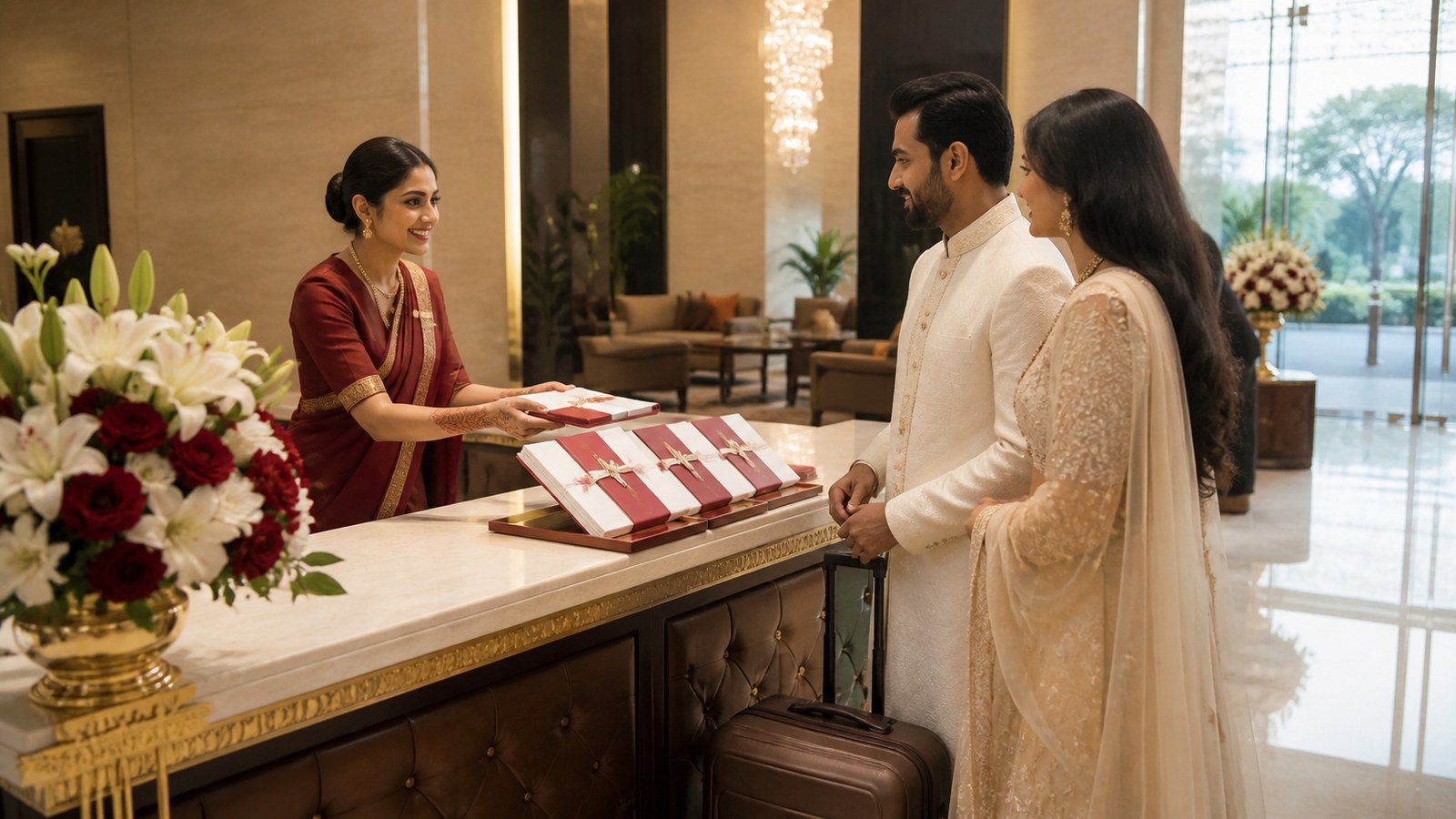
Hospitality for a Sector 28 wedding should be designed as a sequence of handovers: invitation to RSVP, arrival to welcome, room or home base to function, one function to the next, and final celebration to departure. A family member may know these transitions instinctively, but guests and vendors need them documented. This page asks the planner to examine vendor access, parking and loading permissions as a specific point where confusion could appear. If it is relevant, give it an owner and a fallback; if it is not, close it early. The guest plan should also distinguish VIP, elderly, child and special-assistance needs without exposing personal data more widely than necessary. When hospitality, transport and event timing share one source of truth, the wedding feels calmer even though the operational work behind it may be complex.
Event-day operations
Write a run-of-show that survives real event-day pressure
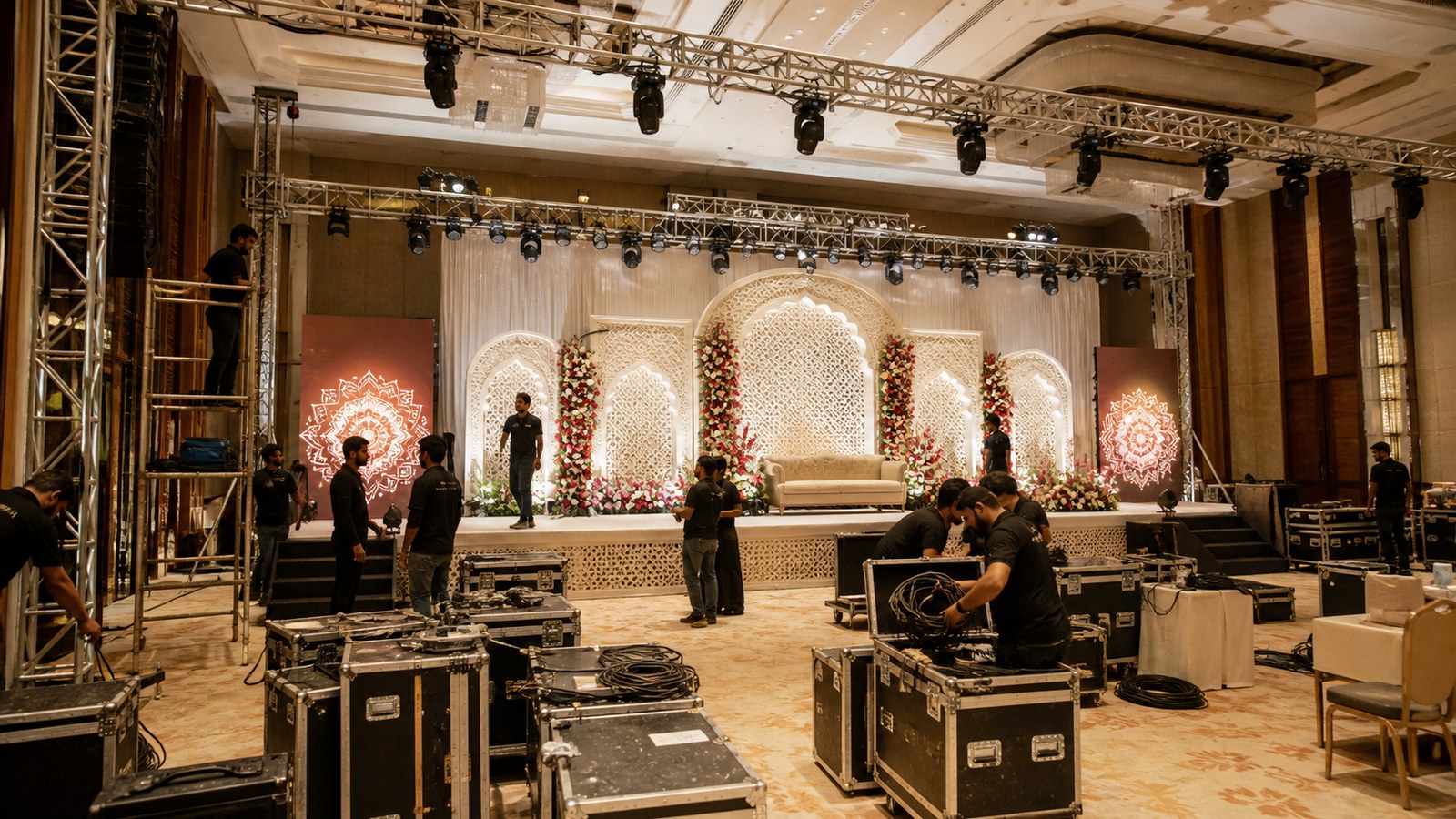
Operational planning for Sector 28 becomes credible when someone can answer three questions at any time: what should be happening now, who owns it, and what happens if it is late or unavailable? The final file should include supplier call-times, venue access, family call-times, guest transport, ceremony or performance cues, technical checks, food service, security contacts and strike/handover responsibilities. This locality version emphasizes vendor access, parking and loading permissions. That focus is deliberately different from the neighboring page so the network offers more than name substitutions. The venue remains responsible for its own rules and specialist teams remain responsible for professional technical or safety approvals; the wedding planner’s task is to connect those responsibilities into a schedule that the entire event can follow.
Guest-first planning
Create a brief that suppliers can price and execute
A serious hyperlocal page needs to help the enquiry become more actionable. For Sector 28, the form should carry the locality automatically, while the family supplies the facts only they know: venue, function sequence, guest profile, dates, existing bookings and priorities. The planning brief can then be organized around decision deadlines rather than a generic checklist. One page-specific prompt is vendor access, parking and loading permissions. The purpose of such prompts is to reveal work that can otherwise surface too late. Once the brief is agreed, each supplier receives a version relevant to their role but tied to the same master information. That makes scope changes visible, supports matched quotation comparison and gives the event-day team a reliable source when messages, spreadsheets and family instructions begin to multiply.
Explore the Faridabad planning network
Use the wider city network when guests or venues cross neighbourhoods
Many Delhi NCR weddings cross more than one neighbourhood because guests may stay in one area, a family function may happen in another and the main venue may sit elsewhere. From Sector 28, the useful adjacent planning references are Sector 21D and Sector 29, plus the broader Faridabad hub. Those links should be used to think about movements and timelines, not to infer that every named area has a Kontact Us branch. The enquiry form records the originating locality so the first conversation can start with context, but the team still needs the actual venue and dates before confirming availability or scope. That distinction keeps the location architecture helpful to users and safer for search quality than publishing identical “near me” pages with unsupported local claims.
Creative direction
Connect visual ambition with what the venue can actually support
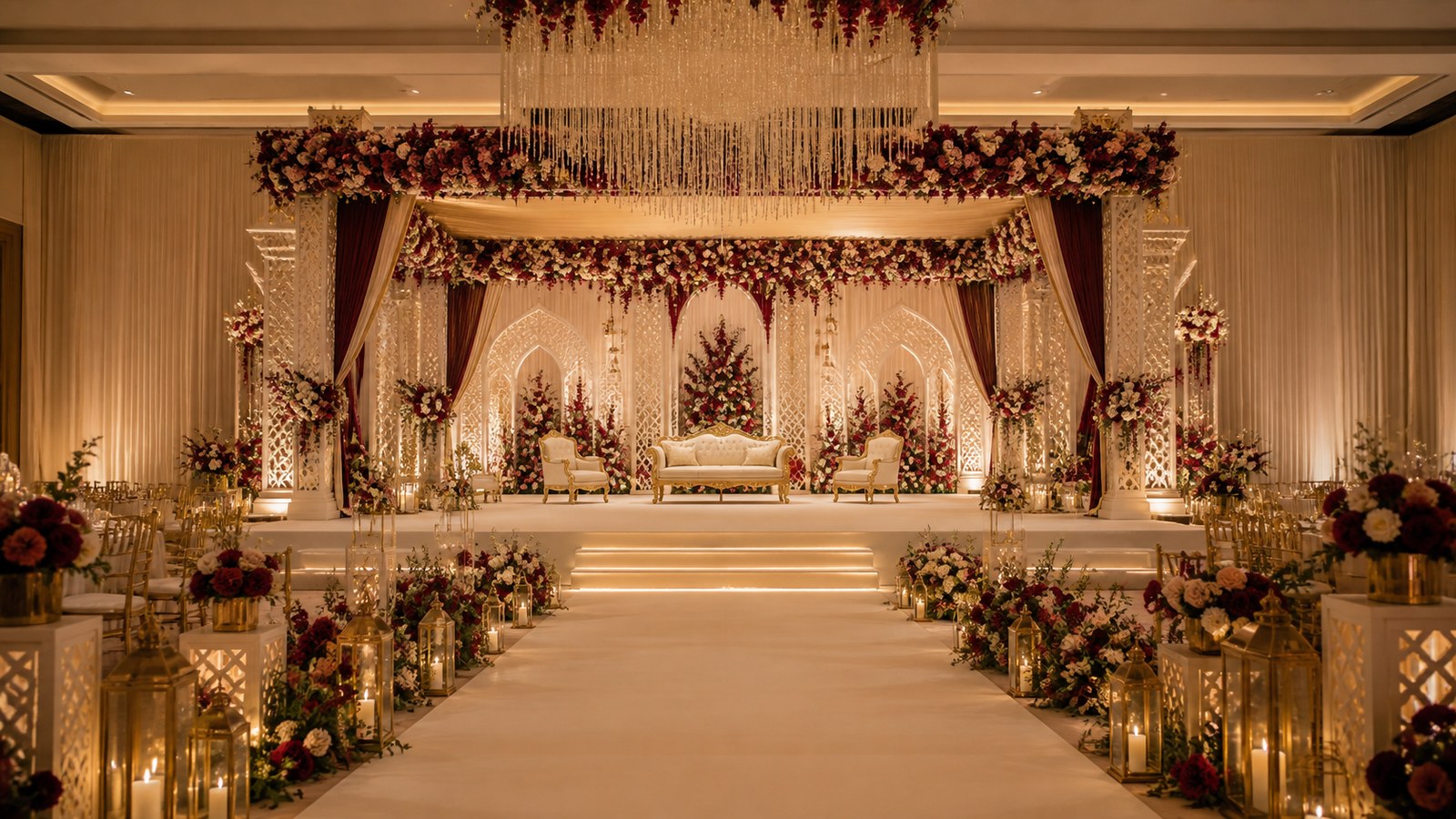
Creative direction for a Sector 28 celebration should begin with the couple’s story and the function sequence, then be tested against the actual venue. Build a visual system—palette, floral language, materials, typography, lighting mood and stage/mandap vocabulary—that can adapt across events without making every function identical. The planner should place vendor access, parking and loading permissions beside the mood board as an operational constraint to verify. This keeps design connected to guest circulation, installation timing, photography angles and production access. Residential, hotel, banquet and outdoor settings can demand very different fabrication and sound approaches even when the creative concept is the same, so no locality page should assume a venue type. The final design pack should show both what guests are meant to feel and what suppliers need to build, deliver or cue.
Enquiry
Tell us what you are planning
Share the essentials first. We use a Submission ID so your WhatsApp confirmation can be matched to the form record.
- No package price is assumed before scope is understood.
- Destination requests outside Delhi, Gurugram, Noida and Faridabad are confirmed individually before scope is committed.
- After submission, WhatsApp opens so you can confirm the enquiry directly.