
Wedding planning · Faridabad
Wedding Planner in Sector 17, Faridabad
Plan a wedding in Sector 17 through one connected brief for venue, guests, décor, hospitality, production, suppliers and event-day execution. The planning approach is locality-aware without inventing a local branch, fixed package or one-size-fits-all venue assumption.
Established central Faridabad · serviceability confirmed through the Delhi NCR coverage model

Local planning lens · Established central Faridabad
Build local relevance from real logistics, not a copied city paragraph for Faridabad
Planning in Sector 17 should become more precise—not more promotional—because the locality is known. The team can attach the area to the enquiry, compare movement with Sector 16A and Sector 18, and ask the venue-specific questions that a city-wide page cannot answer in advance. For this planning variation, the focus is artist soundcheck alongside family rehearsal. It is a checkpoint, not a claim that every Sector 17 wedding has the same issue. The broader established central Faridabad context helps frame guest and supplier routing, but dimensions, permissions, parking, power, sound rules and load-in conditions must come from the actual venue or responsible authority. This is how the page remains locally useful while protecting the project from invented office, project, pricing or response-time claims.

Event-day operations
Give the command team one executable version of the day
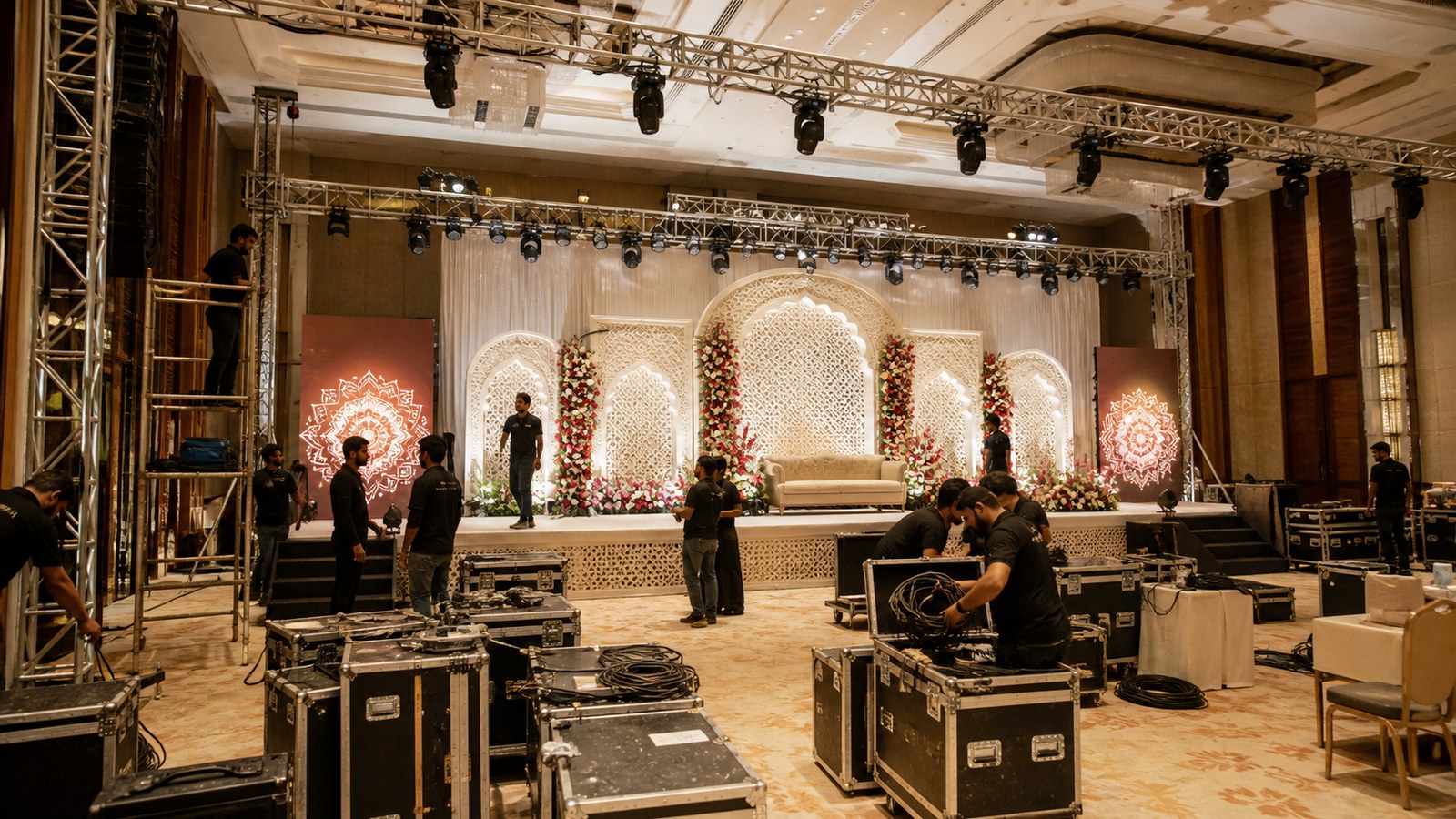
Event-day control in Sector 17 should be built backwards from the moments that cannot move easily: venue access, ceremony windows, artist calls, meal readiness, curfew or handover restrictions where applicable. Around those anchors, place supplier setup, family readiness, photography, guest arrivals and transitions. Add artist soundcheck alongside family rehearsal to the pre-event checklist so the team knows whether it needs a cue, backup or dedicated owner. The planner should use one master timeline plus role-specific call sheets, not several contradictory versions. Change logs matter in the final days because a five-minute adjustment can affect transport, kitchen timing or stage programming. The purpose of this system is invisible control: guests see a celebration that flows, while the team sees the dependencies and knows exactly who must respond when something changes.
Guest journey
Use the guest journey to expose weak transitions early
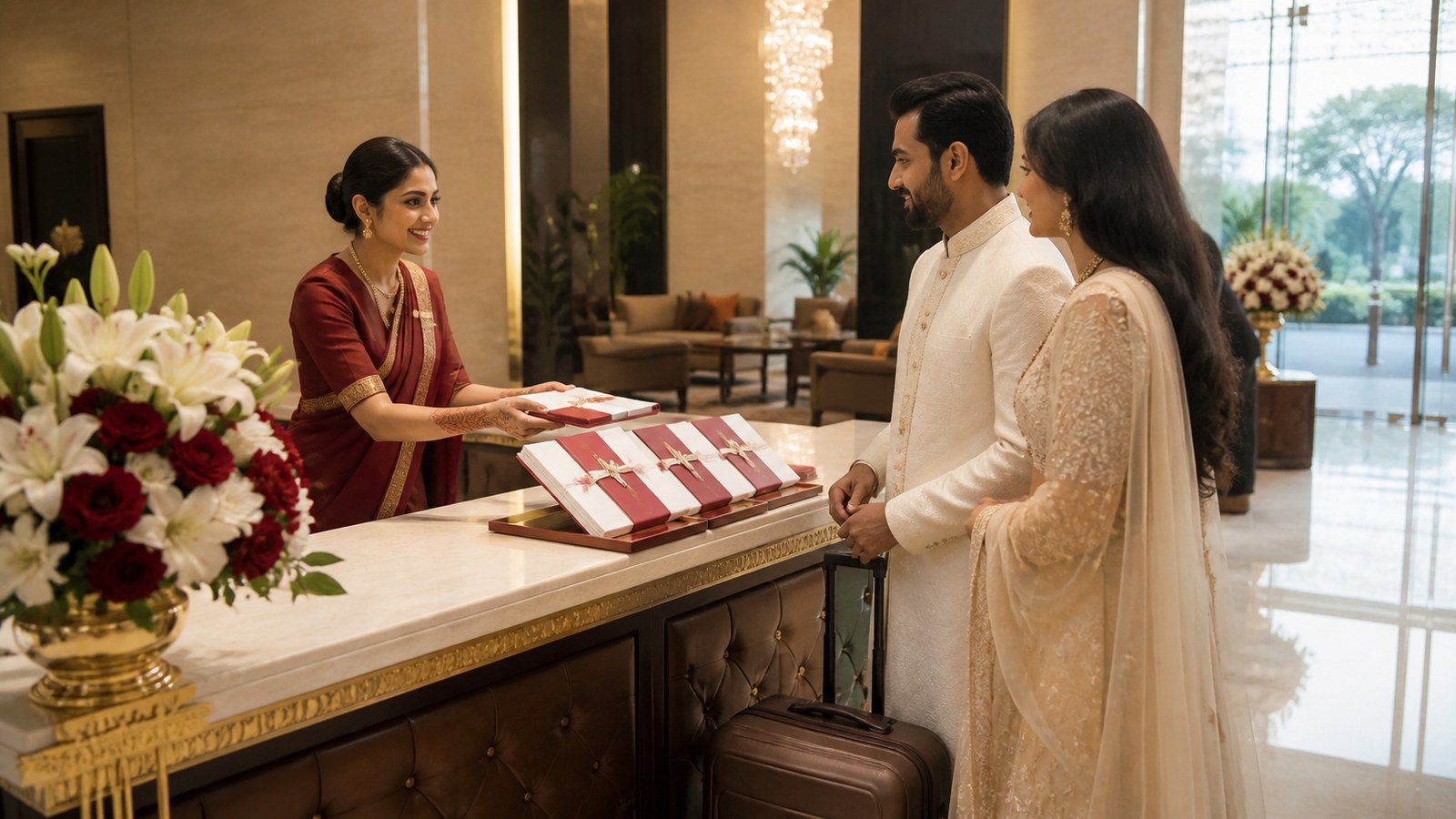
Hospitality for a Sector 17 wedding should be designed as a sequence of handovers: invitation to RSVP, arrival to welcome, room or home base to function, one function to the next, and final celebration to departure. A family member may know these transitions instinctively, but guests and vendors need them documented. This page asks the planner to examine artist soundcheck alongside family rehearsal as a specific point where confusion could appear. If it is relevant, give it an owner and a fallback; if it is not, close it early. The guest plan should also distinguish VIP, elderly, child and special-assistance needs without exposing personal data more widely than necessary. When hospitality, transport and event timing share one source of truth, the wedding feels calmer even though the operational work behind it may be complex.
Explore the Faridabad planning network
Use nearby pages as planning context, not as artificial location inventory
The Sector 17 page is part of the Faridabad planning network rather than a standalone office page. Families considering venues or guest stays across nearby areas can continue to Sector 16A, Sector 18 or the main Faridabad hub to compare planning context. This linking pattern is intentional: it helps visitors navigate realistic multi-area weddings while avoiding indiscriminate blocks of location keywords. If the actual venue falls outside these pages, the enquiry form should still be used with the exact address so serviceability and travel requirements can be checked. Kontact Us does not claim separate teams, phone numbers or premises for these locality pages, and no page should be treated as proof of prior work in that neighbourhood.
Budget-control planning
Give every supplier the same starting version of the celebration
A serious hyperlocal page needs to help the enquiry become more actionable. For Sector 17, the form should carry the locality automatically, while the family supplies the facts only they know: venue, function sequence, guest profile, dates, existing bookings and priorities. The planning brief can then be organized around decision deadlines rather than a generic checklist. One page-specific prompt is artist soundcheck alongside family rehearsal. The purpose of such prompts is to reveal work that can otherwise surface too late. Once the brief is agreed, each supplier receives a version relevant to their role but tied to the same master information. That makes scope changes visible, supports matched quotation comparison and gives the event-day team a reliable source when messages, spreadsheets and family instructions begin to multiply.
Quotation logic
Use scope visibility to protect both creativity and contingency
A Sector 17 wedding should not be assigned a price merely because the locality name sounds premium. The quotation needs the actual number of functions, venue status, guest counts, service scope, design ambition, production requirements, hospitality depth, travel and staffing. The planning brief should also identify whether artist soundcheck alongside family rehearsal creates an additional cost driver or simply needs better coordination. Families can compare proposals more intelligently when every vendor prices the same responsibility: equipment, crew, setup/strike, transport, taxes, trials, rehearsals, permits or deliverables should be visible where relevant. Optional experience upgrades can then be separated from core operational needs. This protects contingency and prevents a low headline price from becoming expensive later because important elements were excluded from the original scope.
Creative direction
Make creative direction measurable enough for vendors to execute
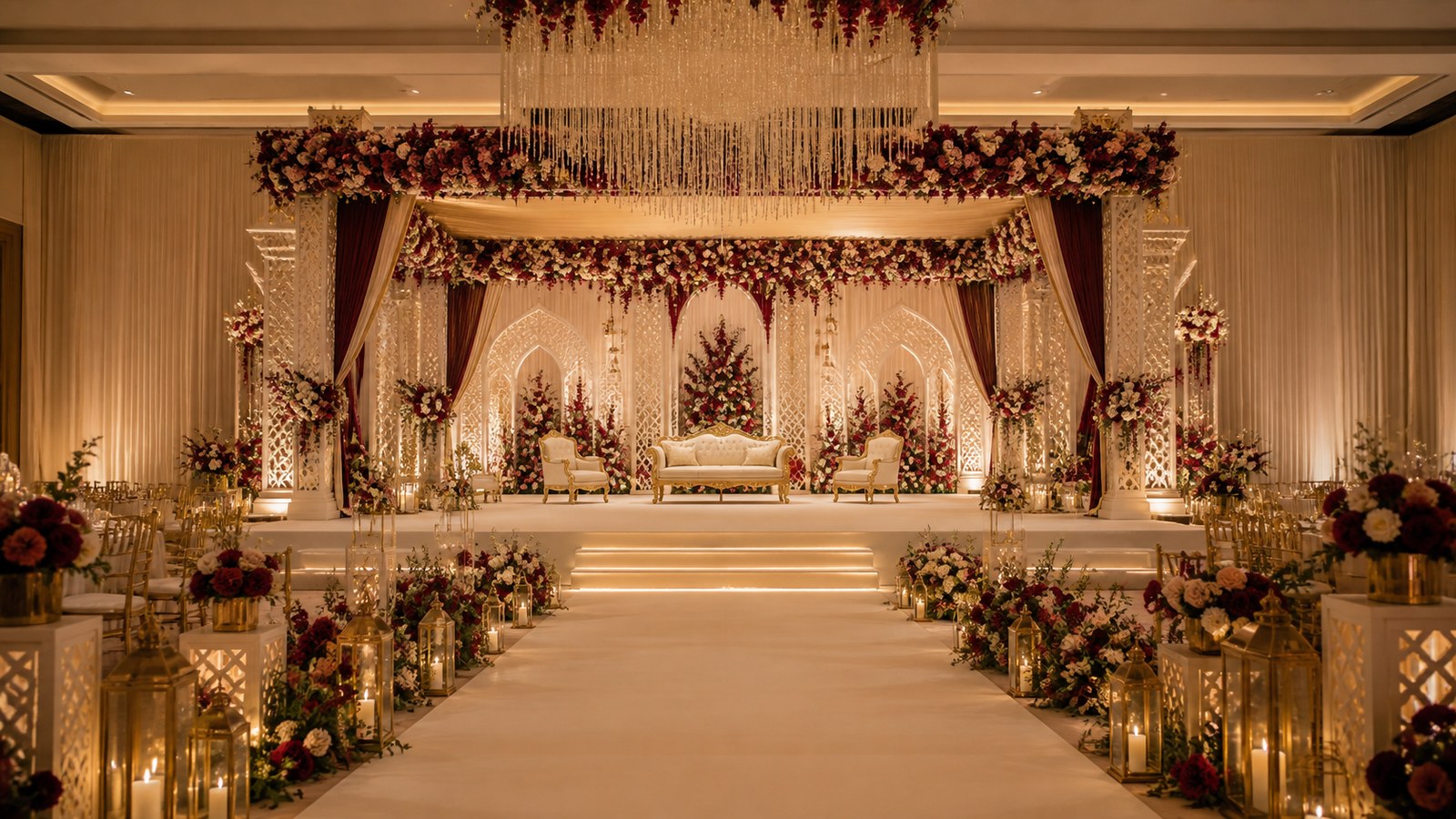
A strong Sector 17 wedding should look intentionally designed rather than decorated in unrelated layers. Start with hierarchy: which function is visually richest, which is intimate, where the couple’s story appears and which details can repeat as a recognizable identity. Then connect that hierarchy to practical questions, including artist soundcheck alongside family rehearsal. Mood boards should be followed by spatial sketches, stage or mandap dimensions where relevant, floral/material decisions, lighting coordination and installation notes. If the venue has restrictions, the creative team should adapt before fabrication begins. The same thinking applies to invitations, menus, welcome signage, photo areas and entertainment backdrops. Visual consistency is valuable because it helps guests read the celebration as one journey, but each function should still have enough contrast to feel like a new chapter.
Enquiry
Tell us what you are planning
Share the essentials first. We use a Submission ID so your WhatsApp confirmation can be matched to the form record.
- No package price is assumed before scope is understood.
- Destination requests outside Delhi, Gurugram, Noida and Faridabad are confirmed individually before scope is committed.
- After submission, WhatsApp opens so you can confirm the enquiry directly.